Thu, 30 Apr 2026
|DHIVEHI


Advertisement
Parliament passes key amendments to Employment Act
08 Mar 2026
|
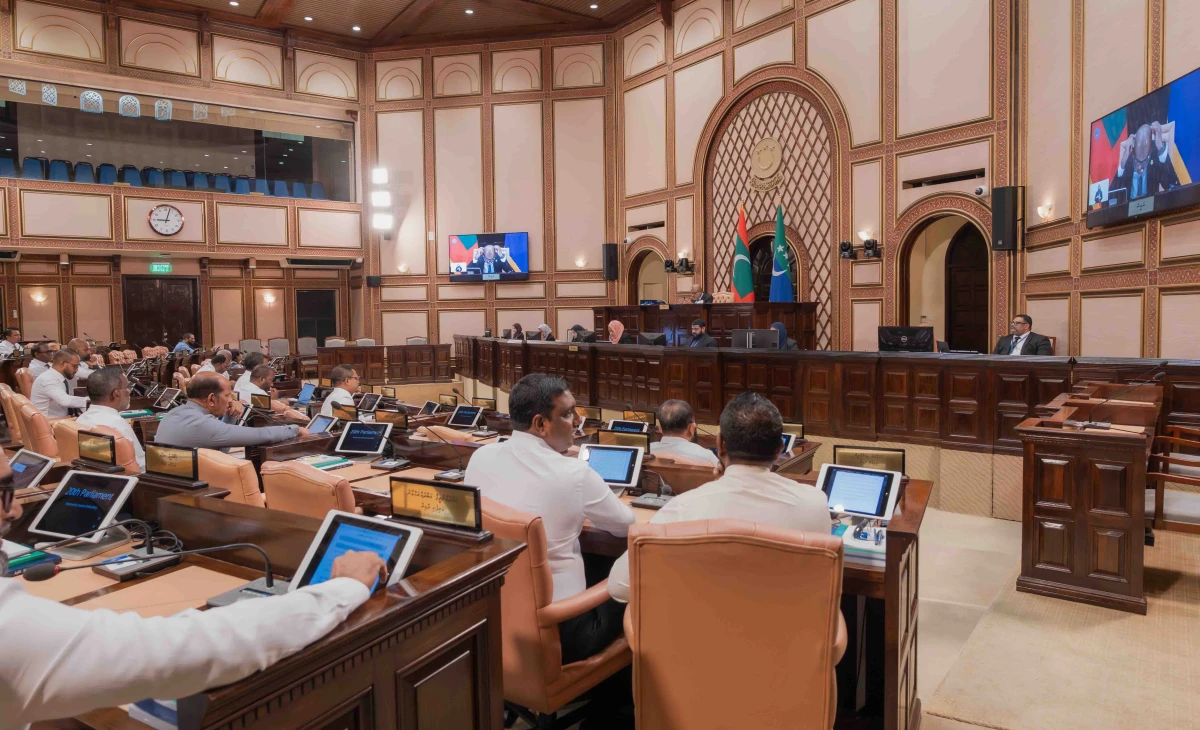
4th Sitting of First session of 2026 --- Photo: People's Majilis
An amendment to the Employment Act introducing several changes, including extending the period during which employees may take breaks to attend to their children, has been passed by Parliament.
The bill was approved during Sunday’s sitting with 62 members voting in favour.
Under the current Employment Act, employees returning to work after maternity leave are entitled to two 30-minute breaks during working hours each day to attend to their child. This entitlement currently applies until the child reaches one year of age.
The amendment extends this period to two years. As a result, employees returning to work after maternity leave will be entitled to two 30-minute breaks each day, without any deduction from their salary, until the child reaches the age of two.
The amendment also specifies that these breaks must be provided in addition to the one hour of break time employees are already entitled to during their working day.
Changes have also been introduced to the notice period required when terminating employment. At present, employees who have worked between six months and one year must be given two weeks’ notice before termination. The amendment standardises this requirement so that any employee who has worked for less than one year must be given two weeks’ notice.
The bill further grants the Cabinet the authority to waive the quota fee required to bring in foreign workers for certain types of businesses. The measure is aimed at supporting the growth of small and medium-sized enterprises, creating opportunities for new businesses and strengthening competition in the market.
Another amendment introduces a requirement for officers of the Labour Relations Authority to maintain confidentiality during and after their period of employment. Penalties ranging from MVR 5,000 to MVR 25,000 have been set for breaches of this obligation.
Following its passage in Parliament, the bill will come into effect after it is ratified by the President.