Sun, 12 Jul 2026
|DHIVEHI


Advertisement
Tracing the Maldives' dollar shortage: From crisis to recovery
12 Jul 2026
|
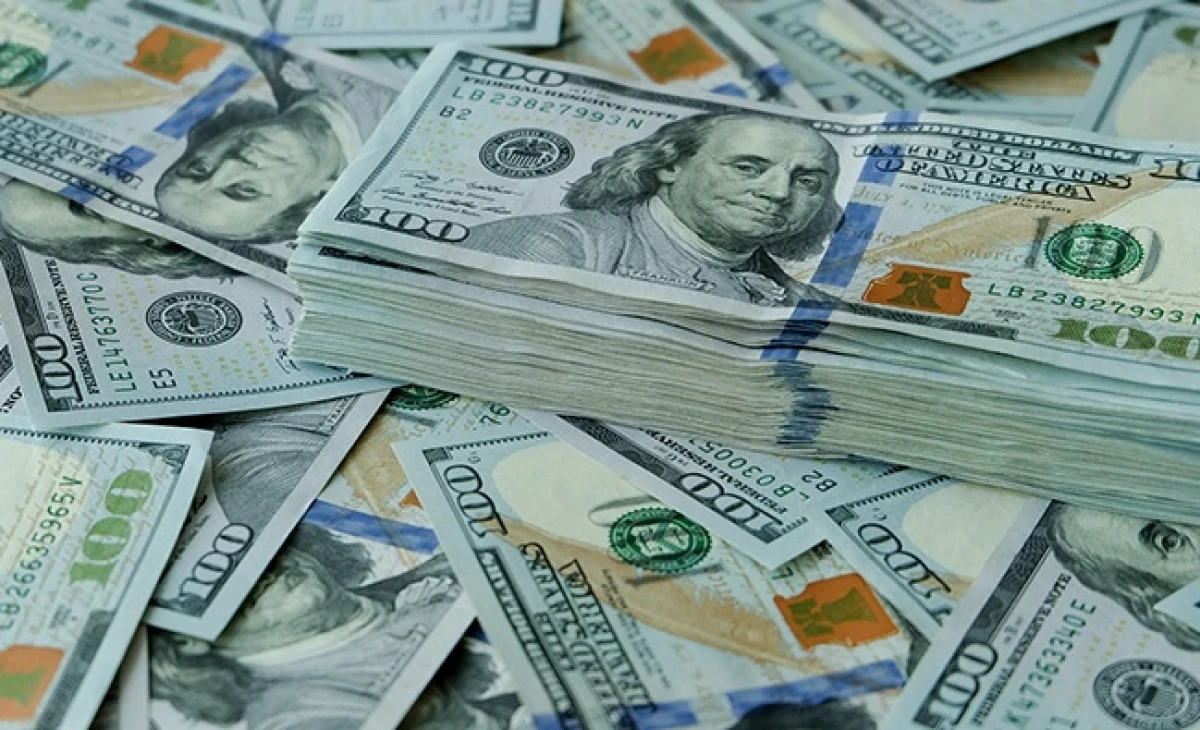
US dollars --- Photo: Getty images
The Maldives' prolonged shortage of US dollars, one of the country's most significant economic challenges in recent years, is showing signs of easing following a series of monetary and fiscal reforms aimed at restoring stability to the foreign exchange market.
The shortage, which affected businesses, students, medical travellers and individuals seeking access to foreign currency, was driven by a combination of rapid monetary expansion, rising external debt and weakening foreign exchange reserves. These factors contributed to limited dollar availability through the formal banking system and fuelled the growth of a parallel currency market.
During the COVID-19 pandemic, the government expanded central bank financing to support higher public spending. Between 2020 and 2023, around MVR 8 billion was created through monetary financing, more than double the amount issued over the previous four decades combined.
The increase in the money supply, without a corresponding rise in foreign currency inflows, placed additional pressure on the Maldivian Rufiyaa. As more rufiyaa entered circulation while US dollar supply remained constrained, demand for foreign currency increased, leading to persistent shortages.
The situation was further compounded by a sharp increase in external debt, which rose from MVR 20.3 billion in 2018 to MVR 38.08 billion by the end of 2023. As external debt repayments are made in foreign currency, a growing share of the country's dollar inflows was directed towards servicing debt, reducing the amount available within the domestic banking system.
At the same time, official foreign exchange reserves declined, while the Sovereign Development Fund, established to help meet future external debt obligations, was significantly depleted. These developments increased pressure on public finances and heightened concerns over the country's foreign currency position.
Following the change in administration in late 2023, the current Government introduced measures aimed at stabilising the economy and rebuilding confidence in the foreign exchange market under President Dr Mohamed Muizzu. Authorities halted further monetary financing through the central bank and converted a substantial portion of previously created liquidity into long-term government bonds, reducing excess liquidity in circulation.
Reforms were also implemented to strengthen the foreign exchange framework by increasing the flow of foreign currency into the banking system and the Maldives Monetary Authority (MMA). At the same time, efforts were made to rebuild official reserves and restore the Sovereign Development Fund.
The impact of these measures has become increasingly evident. Official reserves strengthened ahead of the April 2026 sovereign Sukuk repayment, allowing the Government to meet one of its largest external debt obligations while maintaining a stronger reserve position than in previous years. The Sovereign Development Fund has also recovered after falling to minimal levels in 2023.
Looking ahead, pressure on foreign currency demand is expected to ease further as the country's largest debt repayments have now been completed. International financial institutions, including the International Monetary Fund and the World Bank, have projected lower external debt servicing costs in 2027 and 2028, potentially allowing more foreign currency to remain within the domestic banking system.
Recent data also indicate improving access to US dollars. The MMA increased the amount of foreign currency released into the market during 2025, while banks have expanded access for students studying abroad, medical travellers and other eligible customers.
Although challenges remain, recent developments suggest the Maldives' foreign exchange market is moving towards greater stability. Stronger reserves, tighter monetary discipline, lower external debt servicing pressures and reforms to the foreign exchange framework are expected to gradually improve dollar availability and strengthen the resilience of the country's financial system.