Thu, 23 Jul 2026
|DHIVEHI


Advertisement
Martyrs’ Day: Remembering a legacy of resistance
20 Jan 2026
|
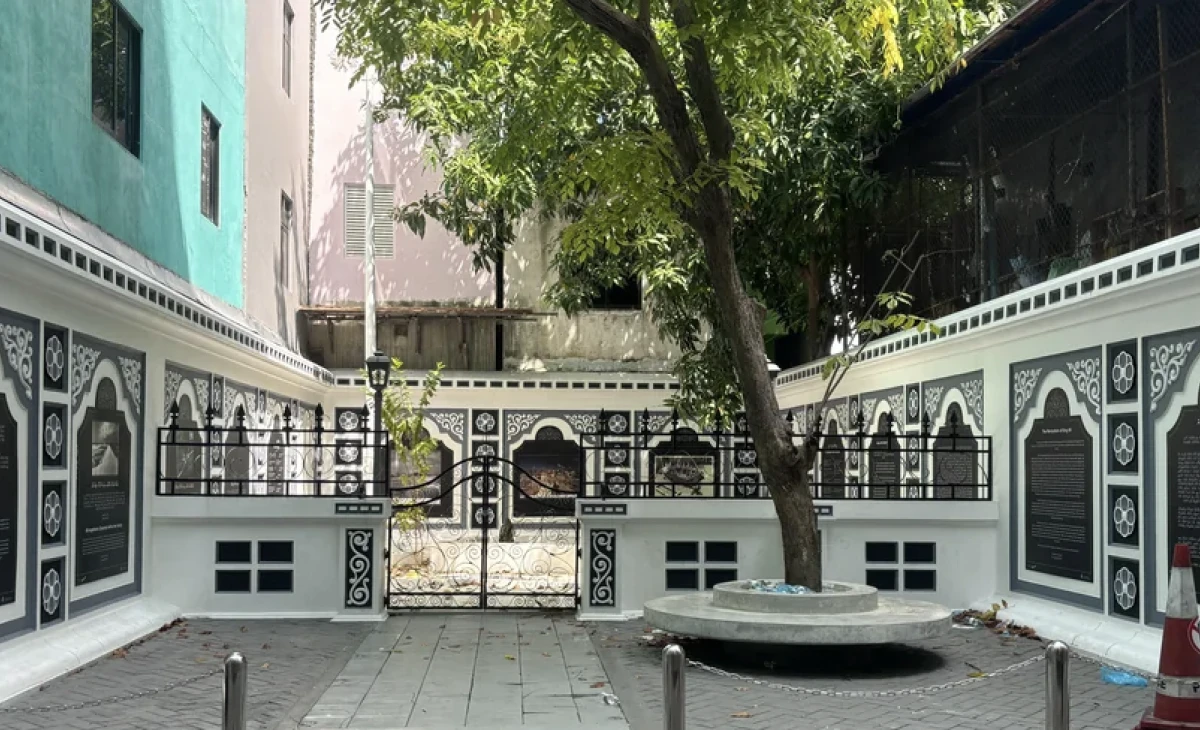
Ali Rasgefaanu Ziyaaraiy --- Photo: r/maldives
Maldivian history is witness to turbulent times; namely during the Portuguese intervention in the island nation. It was a period marked by internal division and external pressure, when the Maldives faced one of the gravest threats to its independence and Islamic identity.
Historical records show that around 1550 CE, Sultan Hassan IX converted from Islam to Christianity and fled the Maldives, seeking Portuguese backing from Cochin in an attempt to reclaim power. His return with foreign forces on two occasions was unsuccessful, but these efforts destabilised the country and weakened unity at a time when cohesion was most needed.
Amid this turmoil, Sultan Aboobakar I briefly held power before being overthrown, paving the way for the ascension of Ali Siree Adha Siyaaka Kaththiri Bavana Mahaaradhun, remembered in Maldivian history as Sultan Ali Rasgefaanu. His reign lasted only two months, but its legacy endures.
Following earlier failed incursions, a larger Portuguese force returned to Malé, led by Andhiri-Andhirin, who were raised in the Maldives and believed to have played a role in facilitating the invasion. Portuguese cannons bombarded Malé’s outer harbour for several days, prompting resistance from Maldivian defenders. As the fighting continued, shortages of food and ammunition emerged, and divisions grew among those defending the capital. While some called for surrender, others urged resistance to continue.
It was in this moment of uncertainty that Sultan Ali Rasgefaanu chose to confront the invaders. When Portuguese forces landed on the northwest coast of Malé, he advanced with his sword and shield. By the time he reached the area near Eid Miskiy in Maafannu, only his Prime Minister and two companions remained beside him. Vastly outnumbered, they stood their ground. Portuguese gunfire claimed the lives of his companions before Sultan Ali Rasgefaanu himself was killed. All three were buried where they fell, a site now known as Ali Rasgefaanu Ziyaaraiy.
Sultan Ali Rasgefaanu was martyred on the first day of Sha’ban 965 AH, a sacrifice that symbolises steadfast faith, loyalty to the nation, and resistance in the face of overwhelming force. Alongside him, the commemoration honours other figures of resistance, including Ali Thakurufaanu and Kan’ba Aisha, whose courage also shaped the Maldives’ struggle against Portuguese rule.
Each year, the Maldives observes Shaheedhunge Dhuvas to honour those who gave their lives in defence of the country’s independence and Islamic faith. The national observance was formally introduced in 1980, initially centred on the martyrdom of Sultan Ali Rasgefaanu, and has since expanded to recognise all Maldivians who fell in defence of the nation.
Martyrs’ Day also acknowledges sacrifices made in modern history. During the 1988 terrorist attack, Maldivians once again stood to protect national sovereignty. Among those who lost their lives was Hussain Adam of Kulhudhuffushi, who died defending the military headquarters reinforcing the idea that the duty to protect the nation spans centuries.
Today, Martyrs’ Day is celebrated across the Maldives through special prayers, public commemorations, and educational programmes. Historians and community leaders share stories of sacrifice and resistance, particularly with younger generations, ensuring that the nation’s history is preserved and understood.
The Government emphasises that this annual observance is intended to strengthen national pride and appreciation for the hard-won independence the Maldives enjoys today. From medieval struggles to modern defence, Martyrs’ Day stands as both a memorial and a responsibility, a reminder of past sacrifices and a call to safeguard the nation’s future.