Sun, 29 Mar 2026
|DHIVEHI


Advertisement
President expresses support for reserved seats for youth and women in Parliament
28 Mar 2026
|
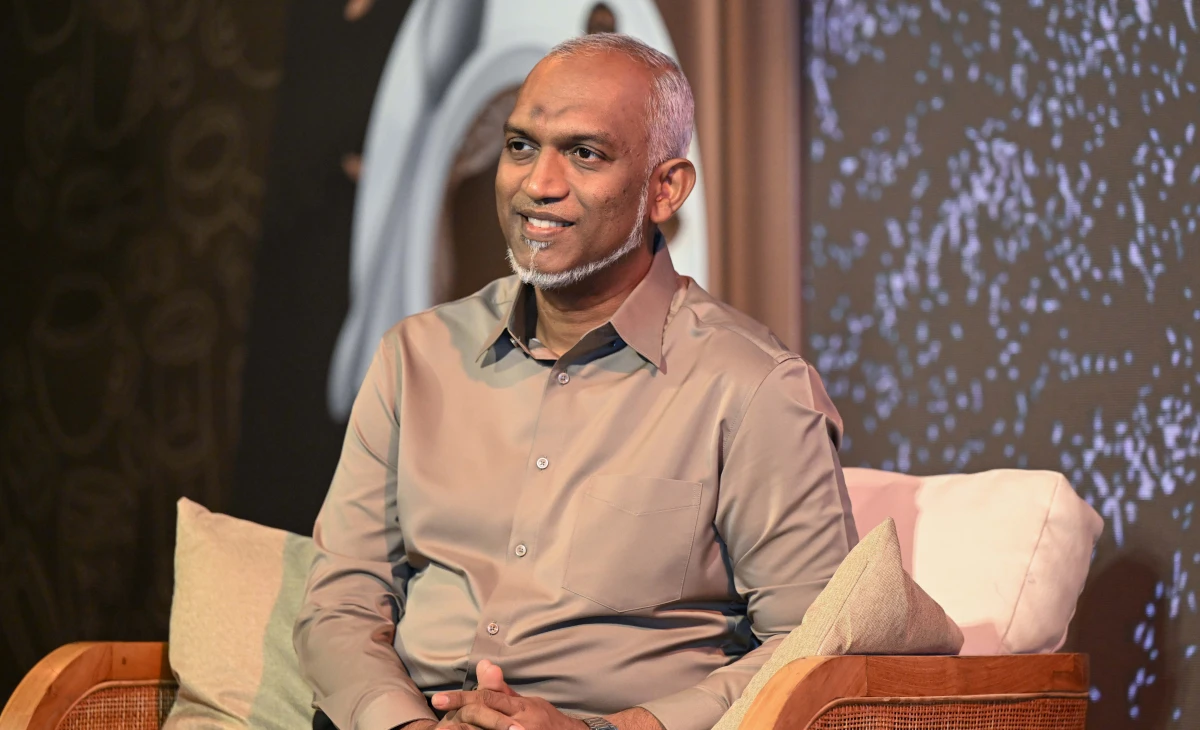
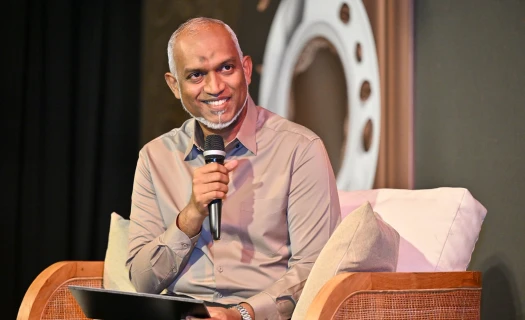
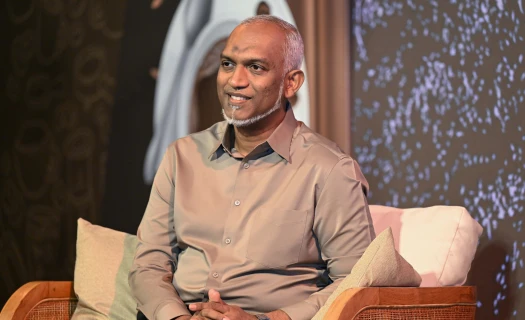
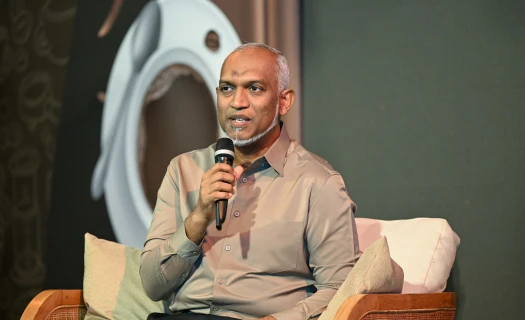
President Dr Mohamed Muizzu engaging with youth -- Photo: President's Office
President Dr Mohamed Muizzu has expressed support for allocating reserved seats in Parliament for youth and women, proposing that 10 per cent of seats be designated for each group.
Speaking at a youth engagement session, he said the measure would strengthen representation, noting that despite existing opportunities to contest elections, youth and women remain underrepresented in elected positions.
The President explained that the initiative is currently under discussion, with public opinion, particularly from young people and other stakeholders, being sought before finalising the approach. He added that introducing such quotas would help ensure broader participation in the country’s key decision-making body.
He also shared his view that reserving a total of 20 per cent of parliamentary seats – 10 per cent each for youth and women – would be a reasonable approach. He noted that Parliament currently comprises 93 members and indicated that the reform process would aim to maintain this number while allocating designated seats within it.
The President suggested that one possible method of implementation would be to introduce specific constituencies for these reserved seats, similar to existing practices in local council elections where certain seats are designated for women.
Highlighting existing challenges, he noted that although youth and women can contest elections, various barriers limit their chances of being elected. He described the allocation as a form of positive discrimination intended to create fairer opportunities and improve inclusivity within the political system.
President Dr Muizzu noted that youth make up approximately 39 per cent of eligible voters, while women account for around 49 per cent. He emphasised that ensuring adequate representation for these groups within Parliament is therefore essential.
He further clarified that the proposal is not directly tied to the outcome of the recent public vote but forms part of a broader reform agenda. Regardless of the referendum result, he stated that he intends to proceed with submitting the necessary amendments to implement the change.