Sun, 01 Feb 2026
|DHIVEHI


Advertisement
National Agriculture Laboratory to strengthen research and diagnostics: Ministry
01 Feb 2026
|
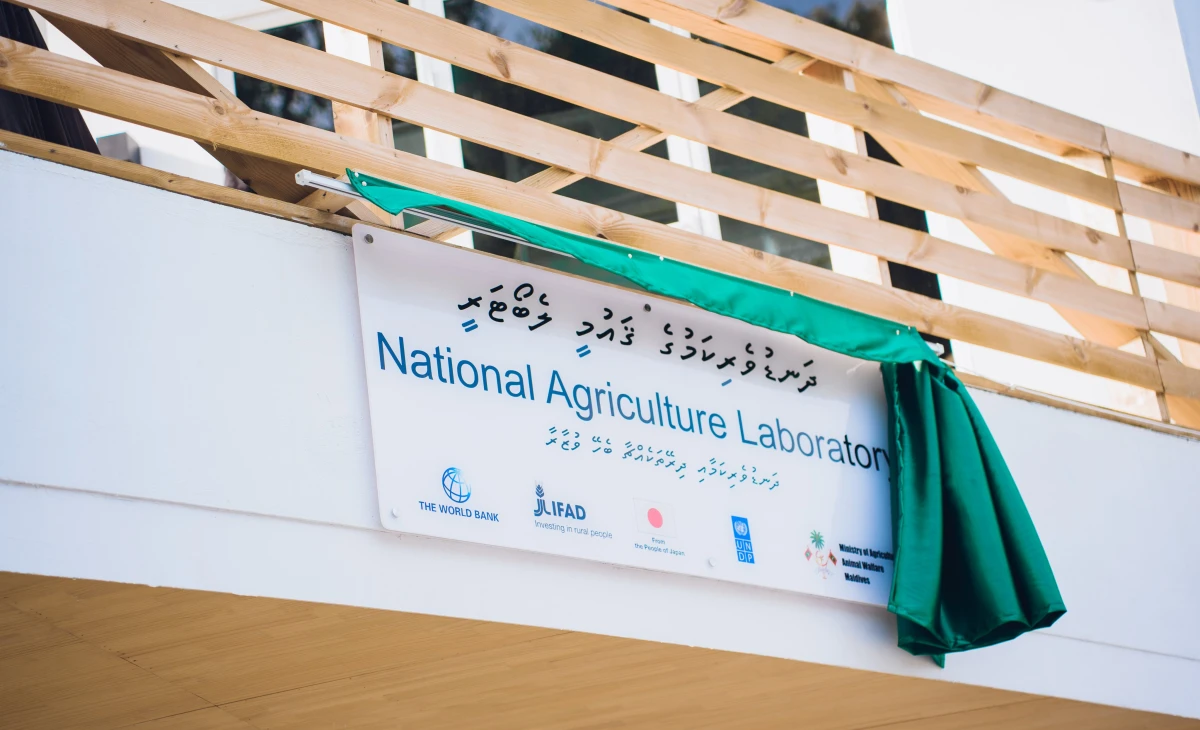
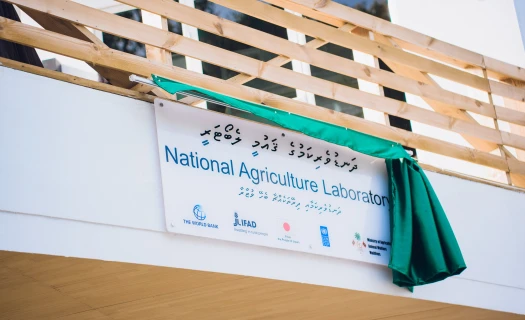
National Agriculture Laboratory --- Photo: The Ministry of Agriculture and Animal Welfare
The establishment of the National Agriculture Laboratory (NAL) in Fuvahmulah addresses long-standing gaps in the Maldives’ agricultural diagnostic and research infrastructure, providing science-based services to farmers, researchers and policymakers, the Ministry of Agriculture and Animal Welfare has said.
According to the ministry, the laboratory was established as part of efforts to strengthen national capacity in plant health diagnostics, soil testing, biosecurity and sustainable agriculture. The facility is expected to play a central role in supporting climate-resilient farming, improving food safety standards and enhancing evidence-based decision-making in the agriculture sector.
The National Agriculture Laboratory was developed under the Project for Developing Sustainable Agricultural Economy (PDSAE), with financial support from the Government of Japan and implementation by the United Nations Development Programme (UNDP). The project was carried out in partnership with the Ministry of Agriculture and Animal Welfare and the Fuvahmulah City Council, with additional contributions from the World Bank Group’s TransFORM Project and the International Fund for Agricultural Development (IFAD) Maldives Agribusiness Programme.
The ministry said the laboratory comprises four specialised units: entomology, plant pathology, soil testing and tissue culture. These facilities are designed to enable early detection and management of plant pests and diseases, provide accurate soil and nutrient analysis, and produce high-quality, disease-free planting materials adapted to local conditions. The laboratory is also expected to support the nationwide implementation of Maldives Good Agricultural Practices (M-GAP) standards.
In addition to supporting farmers and agricultural producers, the ministry said the laboratory will strengthen national biosecurity systems, enhance early warning mechanisms, and reduce reliance on imported planting materials. The facility is also intended to contribute to long-term institutional capacity building within the Ministry of Agriculture and Animal Welfare.