Sun, 15 Mar 2026
|DHIVEHI


Advertisement
Can Maldives legally hold presidential and parliamentary elections on the same day?
14 Mar 2026
|
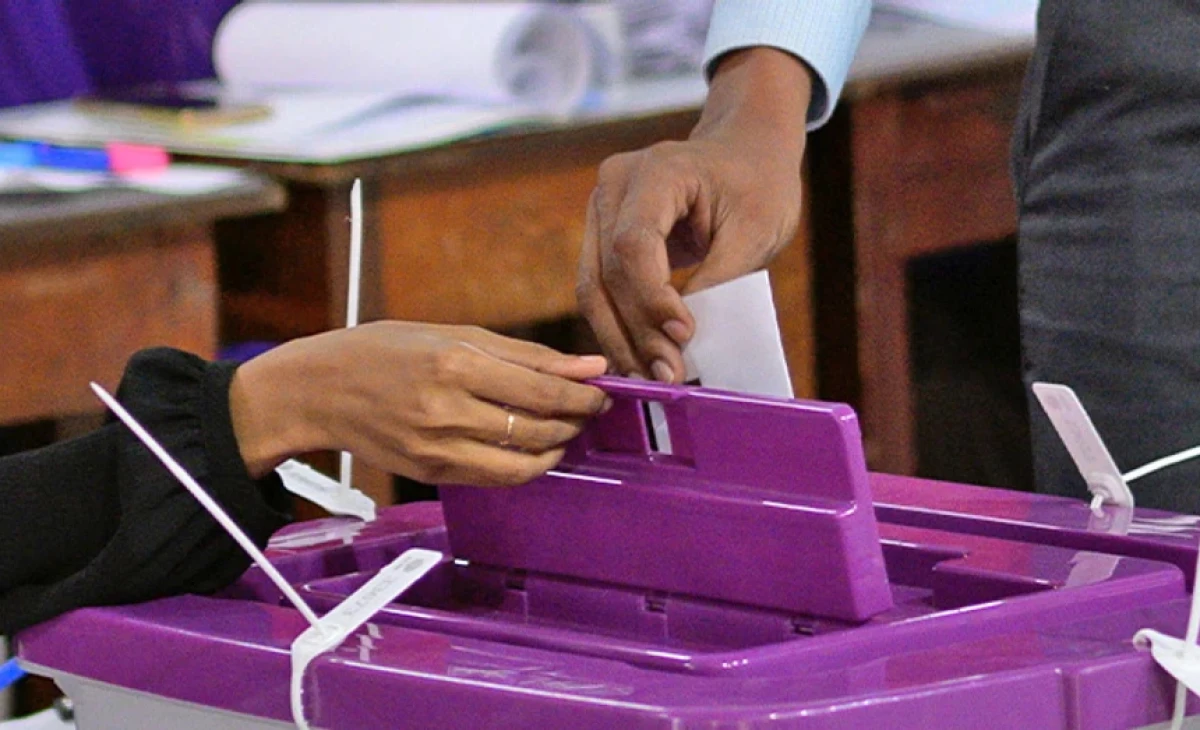
Public referendum on holding concurrent elections scheduled for 4 April 2026 --- Photo: Elections Commission
The proposed constitutional amendment to hold presidential and parliamentary elections on the same day has become a focal point of Maldivian politics.
The bill seeking to introduce the Eighth Amendment to the Constitution was passed by Parliament on 10 February 2026. The amendment aims to align the two election cycles by revising the way the term of the People’s Majlis is calculated. As the change affects Article 79(a) of the Constitution, it cannot be ratified by the President without public approval through a referendum, as required under Article 262 (b).
The legal validity of the process depends on whether the constitutional and statutory procedures have been followed. Under the Constitution and the Public Referendum Act, a referendum must be held before such an amendment can take effect.
On 16 February 2026, the President issued a Presidential Decree to hold the referendum. The decree included the full question to be put to voters, the reason for seeking public opinion, and the proposed timeframe for the vote. It was accompanied by an information paper setting out the basis for the proposed change. Both documents were published in the Government Gazette.
The Elections Commission announced on 17 February 2026 that it had received the required documents and confirmed that the referendum would be held on 04 April 2026. This creates a 47-day gap between the announcement and the vote, which falls within the 45 to 90 day period required under the law.
The Commission also published the referendum question and the accompanying information paper within the timeframe required by law, giving the public more than the minimum 21 days to review the material before voting.
Although some concerns have been raised over the pace of the process, the timeline remains within the limits set out in the Public Referendum Act. The law also protects the right of political parties, organisations and individuals to campaign and carry out public awareness activities during the referendum period.
As a result, the constitutional and legal procedures required for the amendment appear to have been completed. From Parliament’s approval of the bill to the Presidential Decree and the Elections Commission’s scheduling of the vote, each step has been carried out within the legal framework.
The final decision now rests with the public. If voters approve the amendment in the referendum, the move to hold concurrent presidential and parliamentary elections will become a legally valid expression of democratic will.