Thu, 21 May 2026
|DHIVEHI


Advertisement
No legal violations in April 4 referendum process: Shifau
26 Mar 2026
|
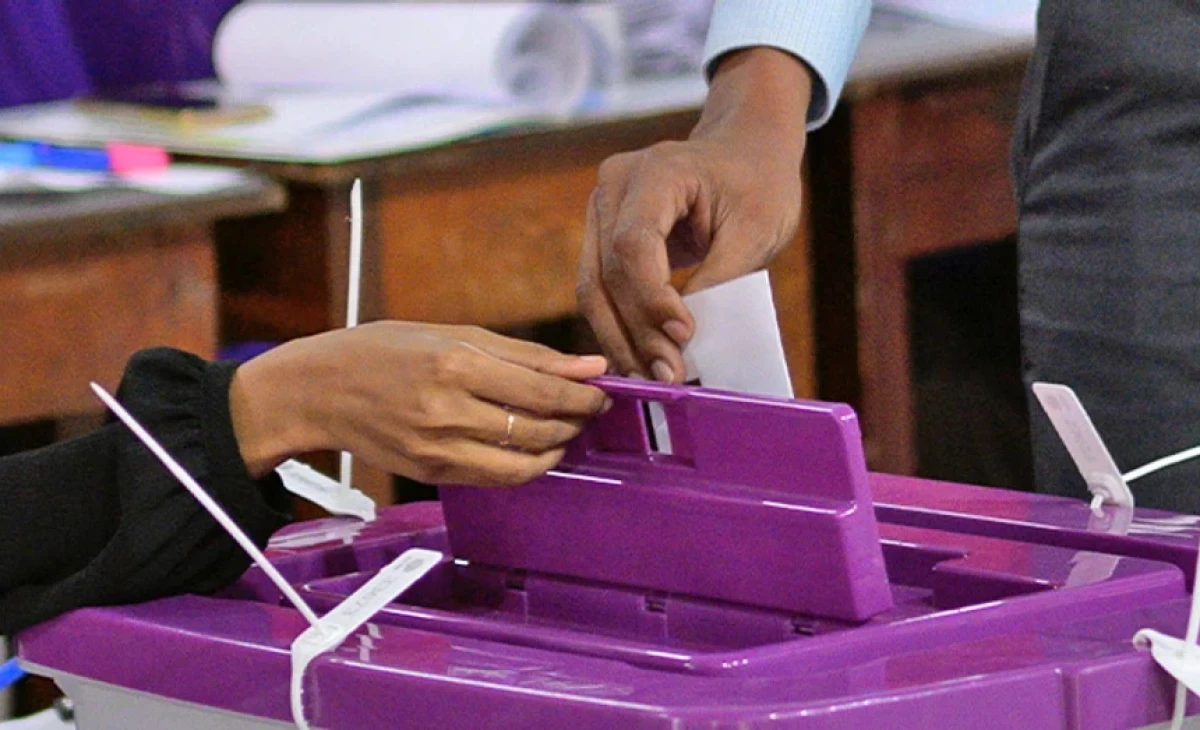
Photo: Elections Commission Maldives
Lawyer Ahmed Shifau has stated that no unlawful actions have taken place in relation to the public referendum scheduled for 4 April, adding that the matter has not yet reached a stage requiring submission to the Supreme Court.
The remarks were made in response to a constitutional case filed at the Supreme Court by the opposition Maldivian Democratic Party (MDP). The party has alleged that President Dr Mohamed Muizzu’s decision to hold a public vote on conducting presidential and parliamentary elections on the same day contains elements that contravene the law.
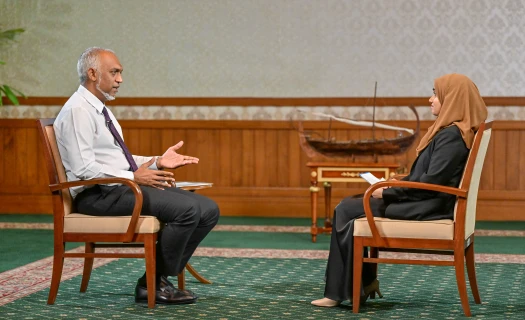
Speaking on MMTV’s programme Aan Ekey, Shifau said the central argument in the case concerns Article 264 of the Constitution, which relates to seeking public opinion. He emphasised that the President’s decision complies with constitutional requirements and does not conflict with any legal provisions.
Shifau explained that, under the Constitution, once an amendment is passed by the People’s Majlis, the President is required to ratify it, with the relevant procedures clearly outlined in Article 262. He noted that these procedures have been properly reflected in the President’s decision.
He further highlighted that the Constitution clearly sets out the process following a public referendum. If the proposal receives majority approval, the law must be ratified within 15 days of the official results. A case would only arise if the bill is not ratified within this timeframe, he said, adding that such a situation has not occurred.
Meanwhile, lawyer Ali Jinah, who also appeared on the programme, pointed out that the Supreme Court Registrar had determined there was no substantive dispute in the case. However, he noted that the matter could still proceed through legal channels.
Jinah also explained that legislation governing referendums, ratified last year, requires a public vote if changes are proposed to the term of the People’s Majlis. He added that the law further empowers the President to call a referendum on issues deemed to be of national importance.
He added that, if the President considers it necessary to seek public opinion on a significant national matter, the law provides the authority to hold such a vote.
The case has now been submitted to the Supreme Court, where proceedings have already concluded, awaiting a final verdict.